
A mortgage application is rarely judged on income alone. Lenders try to understand behaviour over time. They look for patterns that suggest reliability. Stability becomes central in that process. This is where a home loan for teachersis often viewed with a different perspective. Teaching follows a structured path. Employment tends to remain consistent. Income does not shift unpredictably. These elements reduce uncertainty. From a lender’s viewpoint, that matters more than surface-level figures. It allows the application to be read with greater confidence and less hesitation. Why Stability Changes Outcomes Stability does not guarantee approval. It changes how the application is interpreted. A steady employment record suggests continuity. That continuity reduces perceived risk in a meaningful way. For teachers, this often leads to fewer concerns about income gaps. Attention shifts away from uncertainty. It moves towards long-term reliability instead. This shift may appear small, yet it shapes the overall tone of the assessment. Decisions become more straightforward when fewer variables are in question. The Hidden Role of Documentation Documentation does more than confirm income. It reflects financial behaviour over time. Payslips, contracts, and account records all contribute to this broader picture. For educators, these records are usually consistent. Income appears stable. Employment details are clear and easy to follow. However, clarity alone does not complete the process. Presentation still carries weight. Disorganised documents can slow everything down. Even a strong profile may face delays if information is not structured properly. A clear submission removes this friction. It allows the lender to review details without repeated clarification. Where Applications Often Stall Many applications do not move forward as expected. The issue is often not income. It is inconsistency. Small differences between documents can create doubt. A mismatch in reported details may lead to further checks. Unclear financial activity can raise additional questions. These situations extend the process unnecessarily. They can also affect the final decision. In the case of a home loan for teachers, these obstacles can often be avoided. Careful preparation is key. Consistency across all documents matters more than adding extra information. Clear and aligned records support a smoother review. Thinking Beyond Approval Approval is often treated as the final step. In reality, it is only the beginning. The structure of repayments matters more over time than the approval itself. Teachers generally operate within predictable income ranges. This supports stable planning. However, balance remains essential. Financial commitments must align with actual earning patterns. If obligations become too demanding, pressure builds gradually. A measured approach helps avoid this situation. It ensures that homeownership remains manageable, rather than becoming a source of stress. How Location Shapes Decisions Property selection is rarely random. It reflects both personal priorities and professional requirements. For educators, location often connects to workplace access or community surroundings. This decision carries long-term implications. A suitable location supports daily routine and reduces unnecessary strain. It also influences how practical the property remains over time. When a property aligns with lifestyle and work, it becomes more sustainable. This reduces the likelihood of future disruption. Stability in location supports stability in financial planning as well. Subtle Differences in Lending Approach Not all lenders look at applications in that way. Each has its way of doing things. Some focus more on job stability. Others look more at behaviour. For teachers applying for a home loan this can affect the outcome a lot. Choosing a lender that understands the teaching profession can make the process easier. It sets expectations from the start. A lender who knows about teachers’ employment is less likely to question their predictable income. This reduces delays. Makes communication clearer throughout the application. Conclusion A mortgage application is more than a financial check. It is about being consistent, clear and reliable in the run. For teachers this is especially important because of their career. When documents are organized job history is stable and financial planning is realistic the process is more straightforward. The goal is not just to get approved. It is to have a way to own a home, based on stability and good decision-making. A home loan for teachers can be an option because it takes into account the unique aspects of the teaching profession.

The Role of Taxes in Supporting Public Services and Economic Stability
Introduction Modern societies rely on shared systems that support daily life and long term progress. Roads, healthcare, education, and public safety do not function by chance. Collective contribution allows governments to maintain these systems and respond to changing needs. A structured approach to public funding supports balance, accountability, and stability across the economy. Funding Essential Public Services Public services form the backbone of everyday life. Schools educate future generations, hospitals provide care, and transportation systems connect communities. Reliable funding ensures these services remain accessible and functional. Consistent support allows governments to maintain quality and reach. Strengthening Infrastructure Development Infrastructure supports economic activity and quality of life. Well maintained roads, bridges, and utilities enable trade and mobility. Investment in infrastructure creates jobs and improves efficiency. Strong infrastructure supports long term economic health. Promoting Economic Stability Stable funding helps governments manage economic cycles. During downturns, public spending can support recovery. During growth periods, investment strengthens future resilience. Stability reduces uncertainty for businesses and households. Supporting Social Welfare Programs Social support systems help protect vulnerable populations. Assistance programs provide basic needs and opportunities for improvement. These programs reduce inequality and promote social balance. Collective support strengthens social cohesion. Enabling Education and Skill Development Education is a long term investment in national progress. Funding supports schools, universities, and training programs. Skill development improves workforce productivity and innovation. Education strengthens competitiveness in a global economy. Enhancing Public Health Systems Health systems require consistent resources to function effectively. Funding supports hospitals, research, and preventive care. Strong public health reduces long term costs and improves productivity. Healthy populations contribute more effectively to society. Supporting Law and Order Public safety relies on well equipped and trained institutions. Funding supports emergency services and justice systems. Safety encourages economic activity and community confidence. Trust in institutions strengthens stability. Encouraging Fair Contribution A structured contribution system promotes fairness. When individuals and businesses contribute according to capacity, balance improves. Fair contribution supports trust in governance. Equity strengthens participation. Enabling Government Planning and Policy Predictable revenue allows long term planning. Governments can set priorities and implement policies effectively. Planning supports strategic investment. Clear direction improves outcomes. Reducing Economic Inequality Targeted public spending can reduce income gaps. Access to education, healthcare, and support improves opportunity. Reducing inequality strengthens social stability. Balanced societies are more resilient. Supporting Environmental Protection Environmental initiatives require funding for regulation and conservation. Investment supports sustainable practices and climate resilience. Protecting natural resources benefits future generations. Responsibility supports long term stability. Encouraging Responsible Citizenship Contribution to public systems encourages civic responsibility. Participation strengthens democratic engagement. Responsibility builds trust between citizens and institutions. Engagement supports accountability. Facilitating National Security National security depends on preparedness and coordination. Funding supports defense and emergency readiness. Security provides a stable environment for growth. Stability attracts investment and innovation. Supporting Innovation and Research Research and development drive progress. Public funding supports scientific advancement and technology. Innovation improves efficiency and quality of life. Research strengthens global competitiveness. Balancing Public and Private Roles Public funding complements private enterprise. Governments provide foundational systems that support markets. Balance encourages healthy economic interaction. Cooperation supports growth. Adapting to Changing Social Needs Societal needs evolve over time. Flexible funding allows adaptation to new challenges. Responsiveness supports relevance and effectiveness. Adaptation strengthens resilience. Building Trust in Institutions Transparent use of public funds builds confidence. Accountability ensures resources are used effectively. Trust encourages compliance and participation. Confidence supports stability. Supporting Regional and Local Development Local communities benefit from targeted investment. Funding supports regional growth and services. Balanced development reduces regional disparity. Inclusion strengthens national unity. Long Term Economic Sustainability Sustainable public funding supports future stability. Responsible management prevents excessive burden. Long term sustainability balances growth and care. Stability benefits generations. Conclusion Shared contribution plays a vital role in maintaining public services and economic balance. Through structured systems, taxes support infrastructure, welfare, education, and stability while enabling governments to plan responsibly. When managed transparently and used effectively, this collective approach strengthens trust, resilience, and long term prosperity for society as a whole.

The Importance of Investing in Creating Future Security and Opportunity
Introduction Building a stable and confident future requires thoughtful decisions about money and resources. Relying only on income is often not enough to meet long term goals. Strategic use of available resources helps individuals prepare for uncertainty, grow wealth over time, and create opportunities that support personal and financial independence. Understanding Long Term Financial Security Financial security means having the ability to manage life changes without constant stress. Preparing for future needs requires planning beyond daily expenses. Long term security provides freedom of choice and peace of mind. Preparation allows people to face uncertainty with confidence. Turning Savings Into Growth Keeping money idle limits its potential. Strategic allocation allows resources to grow gradually over time. Growth helps offset rising costs and changing economic conditions. This approach transforms savings into tools for future support. Supporting Life Goals and Milestones Major life goals require financial preparation. Education, home ownership, and retirement depend on long term planning. Structured growth helps individuals reach milestones without overwhelming debt. Preparation supports smooth progress through life stages. Managing Risk With Awareness All financial decisions involve some level of risk. Understanding and balancing risk helps protect resources. Diversification and patience reduce vulnerability to sudden changes. Awareness supports responsible choices. Building Discipline and Patience Long term growth requires consistency rather than quick results. Regular contributions build habits of discipline. Patience allows time to work in favor of growth. Consistency often matters more than timing. Encouraging Financial Independence Independence comes from having options. When resources grow steadily, reliance on external support decreases. Financial independence allows people to make choices aligned with personal values. Control supports confidence. Protecting Purchasing Power Inflation reduces the value of money over time. Growth strategies help preserve purchasing power. Maintaining value ensures future needs can be met. Protection supports long term stability. Supporting Opportunity Creation Prepared resources allow individuals to seize opportunities. New ventures, career shifts, or personal development become possible. Opportunity often requires readiness. Preparation opens doors. Strengthening Confidence in Decision Making Knowledge and preparation build confidence. Understanding financial tools reduces fear and hesitation. Confident decisions align better with long term goals. Confidence improves outcomes. Balancing Short Term Needs and Future Plans Managing present expenses while planning ahead requires balance. Thoughtful allocation allows enjoyment today without sacrificing tomorrow. Balance supports well being and satisfaction. Planning reduces regret. Adapting to Economic Change Economic conditions evolve over time. Flexibility helps adjust strategies when needed. Adaptability supports resilience during uncertainty. Prepared individuals respond rather than react. Supporting Retirement Preparedness Later life security depends on early preparation. Gradual growth over time reduces pressure in later years. Preparedness supports comfort and dignity. Planning ensures independence. Encouraging Financial Education Learning about money management empowers better choices. Education reduces mistakes and builds awareness. Knowledge supports confidence and clarity. Informed individuals make stronger decisions. Reducing Financial Stress Uncertainty causes anxiety. Preparation reduces worry about future expenses. Reduced stress improves overall well being. Stability supports mental health. Supporting Family and Legacy Planning Long term preparation benefits families. Resources support dependents and future generations. Planning reflects responsibility and care. Legacy building creates lasting impact. Promoting Responsible Wealth Building Ethical and thoughtful growth supports sustainability. Responsible choices align wealth with values. Balance between growth and responsibility builds trust. Integrity matters. Encouraging Consistent Review and Adjustment Regular review ensures alignment with goals. Adjustments improve effectiveness over time. Reflection supports improvement. Progress remains intentional. Building Confidence for the Future Prepared individuals approach the future with optimism. Confidence grows through consistent effort. Readiness supports opportunity. Stability enables growth. Conclusion Planning for the future requires more than saving alone. Investing plays a vital role in creating security, preserving value, and opening doors to opportunity. Through patience, discipline, and informed choices, individuals can build confidence and stability that support long term goals and a more secure financial future.

The Changing Role of Banking in Modern Life and Economic Progress
Introduction Financial systems have evolved alongside societies, shaping how people save, spend, and invest. What once focused mainly on safeguarding money now plays a broader role in supporting growth, innovation, and inclusion. As lifestyles and technology change, financial services continue to adapt, influencing both individual decisions and the wider economy. From Traditional Services to Modern Solutions Earlier financial institutions centered on deposits and lending. Over time, services expanded to include payments, credit options, and advisory support. This evolution reflects changing consumer needs and economic complexity. Modern solutions aim to provide flexibility, speed, and accessibility. Supporting Everyday Financial Needs Daily life relies on smooth financial transactions. Managing income, paying bills, and handling expenses require reliable systems. Convenience and efficiency have become essential expectations. These services support stability in personal and household finances. Driving Economic Growth Financial institutions play a critical role in funding development. By providing capital to businesses and entrepreneurs, they enable innovation and job creation. Investment and credit support expansion across industries. Economic progress depends on the circulation of funds. Encouraging Savings and Responsibility Structured saving options help individuals plan for the future. Encouraging responsible habits supports long term security. Savings provide a buffer against uncertainty and emergencies. Financial discipline contributes to overall stability. Expanding Access and Inclusion Modern systems aim to reach underserved populations. Digital tools and simplified processes reduce barriers. Greater access allows more people to participate in the economy. Inclusion supports social and economic balance. Technology and Digital Transformation Technology has reshaped financial interactions. Online platforms and mobile tools allow faster and more transparent services. Automation improves accuracy and efficiency. Digital transformation continues to redefine customer expectations. Enhancing Security and Trust Trust is fundamental to financial systems. Strong security measures protect assets and personal information. Transparency and regulation support confidence. Trust enables long term relationships between institutions and users. Supporting Businesses and Entrepreneurs Businesses rely on financial support for operations and growth. Access to credit, advisory services, and transaction tools helps companies manage risk. Entrepreneurs benefit from guidance and funding opportunities. Business success strengthens the broader economy. Adapting to Changing Consumer Behavior Consumer preferences evolve with lifestyle changes. Demand for speed, personalization, and convenience has increased. Institutions respond by updating services and communication. Adaptability ensures relevance in a competitive environment. Promoting Financial Literacy Education empowers individuals to make informed decisions. Understanding financial tools reduces risk and uncertainty. Literacy initiatives support responsible use of services. Knowledge builds confidence and independence. Managing Risk and Stability Risk management protects both institutions and customers. Careful assessment and regulation reduce systemic threats. Stability supports economic resilience. Managing risk is essential for long term sustainability. Supporting Global Connectivity Financial systems connect economies worldwide. International transactions enable trade and collaboration. Global connectivity supports economic integration. Cross border services expand opportunities. Responding to Economic Challenges Economic cycles bring uncertainty and change. Institutions play a role in recovery and support. Flexible policies and support measures help manage downturns. Responsiveness strengthens resilience. Encouraging Innovation Innovation thrives when funding and support are available. New ideas require resources and trust. Financial backing enables experimentation and growth. Innovation drives progress across sectors. Balancing Profit and Responsibility Sustainable success requires ethical practices. Balancing profitability with social responsibility builds long term value. Responsible practices support trust and stability. Ethics influence reputation and impact. Environmental and Social Awareness Awareness of environmental and social impact is growing. Supporting sustainable initiatives aligns finance with global goals. Responsible investment encourages positive change. Awareness shapes future strategies. The Human Element in Financial Services Despite technology, human guidance remains important. Personalized advice supports complex decisions. Relationships build understanding and trust. Human connection adds value beyond automation. Long Term Impact on Society Financial systems influence opportunities and quality of life. Access, stability, and growth shape societal outcomes. Long term impact depends on adaptability and responsibility. Progress benefits from balanced development. Conclusion The role of banking has expanded beyond traditional functions to support modern lifestyles and economic progress. By adapting to technology, promoting inclusion, and balancing innovation with responsibility, banking continues to shape financial stability and opportunity in an evolving world.

The Role of Finance in Building Stability, Growth, and Smart Decision Making
Introduction Managing money effectively is a key part of modern life. Every choice related to income, spending, saving, and investment influences security and opportunity. A clear understanding of financial principles helps individuals and organizations make informed decisions that support long term goals. Stability and growth depend on thoughtful management of resources. Building Financial Stability Stability begins with understanding income and expenses. When people track where money comes from and where it goes, they gain control over their resources. This awareness helps prevent unnecessary stress and supports consistent management. Stability creates a strong foundation for future planning. Supporting Smart Decision Making Good decisions rely on accurate information and clarity. Financial awareness helps individuals evaluate options, compare risks, and choose wisely. Decisions made with foresight tend to align better with long term objectives. Smart choices reduce uncertainty and build confidence. Encouraging Responsible Spending Spending habits shape financial health. Prioritizing needs over wants helps maintain balance. Responsible choices allow people to enjoy life while staying within limits. This balance supports peace of mind and sustainability. Promoting Savings and Preparedness Savings provide protection against unexpected events. Setting aside resources builds a safety net for emergencies and future plans. Preparedness reduces fear of uncertainty. Consistent saving habits support confidence and resilience. Supporting Personal Growth Financial control enables personal development. Access to resources allows investment in education, skills, and experiences. Growth becomes possible when basic needs are secure. Financial awareness empowers individuals to pursue goals. Enabling Long Term Planning Long term goals require structured preparation. Planning for major milestones becomes easier with clear financial strategies. Forward thinking reduces pressure and uncertainty. Long term preparation supports stability and direction. Encouraging Investment and Growth Investment helps resources grow over time. Understanding opportunities and risks supports informed participation. Growth requires patience and discipline. Thoughtful investment strategies contribute to future security. Managing Risk Effectively Risk is part of every financial decision. Awareness helps identify and manage potential challenges. Balancing risk and reward protects resources. Effective management supports long term sustainability. Supporting Business and Innovation Organizations rely on sound financial practices to operate and expand. Efficient management supports innovation and job creation. Businesses that plan carefully adapt better to change. Strong practices benefit the broader economy. Enhancing Financial Independence Independence grows with understanding and control. People who manage resources confidently rely less on external support. Independence supports freedom of choice. Confidence increases with experience and knowledge. Encouraging Discipline and Consistency Consistency builds results over time. Regular habits create progress even with small steps. Discipline reduces impulsive behavior. Long term success depends on steady effort. Improving Quality of Life Reduced stress and increased security improve well being. When money is managed well, people focus more on relationships and growth. Quality of life improves with balance and clarity. Financial stability supports emotional health. Supporting Education and Awareness Learning financial concepts empowers better choices. Education reduces mistakes and builds confidence. Awareness helps individuals navigate complexity. Knowledge supports lifelong learning. Adapting to Change Economic conditions and personal circumstances change. Flexibility and awareness support adjustment. Adapting strategies helps maintain balance. Change becomes manageable with preparation. Encouraging Ethical Choices Responsible management includes ethical consideration. Transparency and fairness build trust. Ethical behavior supports long term success. Values influence impact. Strengthening Community and Society Sound financial practices contribute to stronger communities. Stability supports participation and contribution. Collective growth benefits society. Responsibility extends beyond individuals. Long Term Security and Confidence Security grows through preparation and consistency. Confidence comes from understanding and control. Long term security supports peace of mind. Stability enables opportunity. Conclusion Finance plays a vital role in shaping stability, growth, and informed decisions. By encouraging discipline, preparedness, and awareness, finance supports personal well being and economic strength. Thoughtful management of resources creates a foundation for confidence, opportunity, and sustainable success over time.
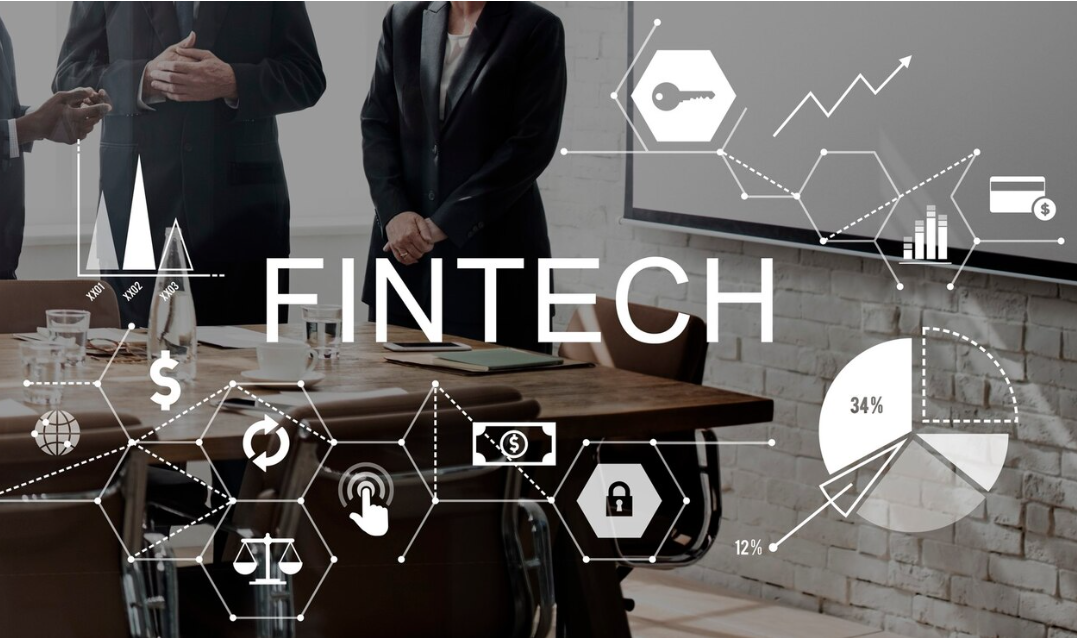
How Fintech Is Transforming Financial Access, Speed, and Innovation
Introduction Modern financial services are evolving rapidly as technology reshapes how people interact with money. Digital solutions are making transactions faster, access broader, and systems more efficient. This transformation is changing expectations around convenience, transparency, and inclusion while opening new opportunities for individuals and businesses across the global economy. Expanding Financial Access Technology driven platforms have lowered barriers that once limited participation in financial systems. People who previously lacked access can now manage accounts, make payments, and store value using simple digital tools. Greater accessibility supports economic participation and reduces dependence on traditional infrastructure. Speed and Convenience in Transactions Instant processing has become a standard expectation. Payments, transfers, and approvals that once took days now happen within seconds. Faster services reduce delays and improve user experience. Speed allows individuals and businesses to operate with greater efficiency and confidence. Supporting Financial Inclusion Inclusive design brings services to underserved communities. Mobile based solutions reach users regardless of location. Simplified processes reduce complexity and documentation barriers. Inclusion strengthens economic balance and opportunity. Driving Innovation Across Services Innovation thrives where flexibility and experimentation are encouraged. New tools enable creative approaches to lending, payments, and personal management. Continuous improvement responds to changing needs. Innovation keeps services relevant and competitive. Enhancing Transparency and Trust Clear digital records improve transparency. Users can track transactions and understand costs easily. Transparency builds trust between providers and users. Trust encourages long term engagement and adoption. Empowering Users Through Control Digital platforms give users more control over finances. Customization and real time insights support informed decisions. Control encourages responsible behavior. Empowerment builds confidence and independence. Supporting Small Businesses and Startups Entrepreneurs benefit from easier access to tools and capital. Digital services simplify operations and reduce costs. Small businesses gain flexibility and reach. Support strengthens economic growth and innovation. Improving Efficiency Through Automation Automation reduces manual processes and errors. Systems operate with greater accuracy and speed. Efficiency lowers costs and improves reliability. Automated processes support scalability. Enhancing Security Measures Advanced technology improves protection of data and assets. Encryption and monitoring reduce risk. Strong security builds confidence in digital systems. Protection supports long term sustainability. Encouraging Data Driven Decisions Access to real time data enables better choices. Insights help users understand patterns and risks. Data driven approaches improve planning and outcomes. Information empowers smarter decisions. Adapting to Changing Consumer Expectations Consumer behavior evolves with technology. Demand for seamless experiences continues to grow. Services adapt to meet expectations of speed and simplicity. Responsiveness ensures continued relevance. Bridging Global Financial Gaps Digital platforms connect users across borders. International transactions become more accessible. Global connectivity supports trade and collaboration. Bridges between markets expand opportunity. Supporting Economic Resilience Flexible systems respond quickly to change. Digital tools help manage uncertainty and disruption. Resilience strengthens stability during challenges. Adaptability supports recovery and growth. Encouraging Collaboration and Ecosystems Partnerships drive innovation and reach. Collaboration between technology providers and institutions creates value. Ecosystems support shared growth. Cooperation accelerates progress. Regulatory Awareness and Balance Innovation requires responsible oversight. Clear guidelines protect users while allowing growth. Balance supports trust and stability. Regulation shapes sustainable development. Education and Digital Literacy Understanding digital tools is essential. Education empowers confident use. Literacy reduces risk and misuse. Knowledge supports inclusion. Environmental Considerations Digital processes reduce physical resource use. Efficient systems support sustainability goals. Awareness of impact shapes design choices. Responsibility aligns growth with care. Long Term Impact on Society Technology driven finance influences opportunity and lifestyle. Access, speed, and innovation shape economic participation. Long term impact depends on responsible use. Society benefits from inclusive progress. Conclusion The evolution of fintech continues to redefine financial access, efficiency, and innovation. By expanding inclusion, increasing speed, and encouraging creative solutions, fintech supports a more connected and responsive financial landscape that benefits individuals, businesses, and economies worldwide.

The Importance of Insurance in Protecting Financial Security and Peace of Mind
Introduction Uncertainty is a natural part of life, and unexpected events can affect financial stability at any time. Having a system in place to manage risk helps individuals and businesses feel prepared rather than vulnerable. Protection against loss supports confidence, stability, and the ability to move forward even during difficult situations. Understanding Financial Protection Financial protection is about reducing the impact of unexpected expenses. Accidents, damage, or loss can disrupt long term plans if resources are not prepared. A structured safety net helps absorb shocks without causing severe disruption. Protection allows people to focus on recovery rather than financial panic. Supporting Peace of Mind Peace of mind comes from knowing that risks are managed. When potential losses are covered, stress levels decrease. This sense of security supports better decision making and emotional balance. Confidence grows when individuals feel protected against uncertainty. Managing Personal Risks Everyday life includes various personal risks. Health issues, property damage, or travel disruptions can arise without warning. Preparing for these situations helps reduce long term consequences. Risk management supports stability across different life stages. Protecting Family and Dependents Families rely on financial stability for well being. Planning for unexpected situations ensures dependents are supported. This preparation reflects responsibility and care. Long term security helps families maintain their standard of living. Supporting Business Continuity Businesses face operational and financial risks. Unexpected events can interrupt operations or cause losses. Protective planning helps businesses recover faster and continue serving customers. Stability supports growth and employment. Encouraging Long Term Planning Risk protection supports long term goals. When uncertainty is reduced, people plan with greater confidence. Financial planning becomes more effective with safeguards in place. Preparation supports future aspirations. Reducing Financial Burden Unexpected costs can create heavy financial pressure. Spreading risk over time reduces sudden expense impact. This approach helps manage cash flow and savings. Reduced burden supports stability. Promoting Responsible Decision Making Prepared individuals make more confident choices. Knowing that risks are managed reduces fear based decisions. Responsibility encourages thoughtful planning. Preparedness supports clarity. Supporting Economic Stability Widespread risk management contributes to economic balance. When individuals and businesses recover faster, economic disruption is reduced. Stability supports community resilience. Economic systems benefit from preparedness. Encouraging Savings Protection Savings take time to build. Protection prevents sudden loss of accumulated resources. Safeguarding savings supports long term goals. Preservation of resources builds confidence. Adapting to Life Changes Life circumstances evolve over time. Career shifts, family growth, and relocation introduce new risks. Flexible protection adapts to changing needs. Adaptability supports continuity. Enhancing Trust and Reliability Trust grows when protection systems function effectively. Reliability strengthens confidence in financial planning. Transparent processes support credibility. Trust encourages participation. Supporting Health and Well Being Financial stress affects health. Reducing uncertainty supports emotional and mental well being. Stability allows focus on recovery rather than cost. Well being improves with preparedness. Encouraging Social Responsibility Prepared individuals rely less on emergency assistance. This reduces strain on community resources. Responsibility supports collective resilience. Shared preparedness benefits society. Building Confidence for the Future Confidence grows when risks are addressed. People feel empowered to pursue opportunities. Preparedness reduces hesitation. Confidence supports progress. Protecting Assets and Investments Assets represent long term effort and value. Protection helps preserve these resources. Safeguarding investments supports future security. Stability allows growth. Supporting Recovery After Loss Recovery is easier when financial support exists. Preparedness shortens recovery time. Quick recovery reduces long term impact. Support enables forward movement. Long Term Financial Stability Consistency in protection supports long term stability. Stability reduces vulnerability to repeated setbacks. Long term security supports peace of mind. Preparedness builds resilience. Conclusion Managing risk is an essential part of financial well being. Insurance plays a key role in protecting stability, reducing stress, and supporting recovery during unexpected events. By preparing for uncertainty, individuals and businesses gain peace of mind, confidence, and the ability to focus on long term goals without constant fear of financial disruption.

The Role of Loans in Supporting Growth, Opportunity, and Smart Financial Planning
Introduction Managing large financial goals often requires access to resources beyond immediate savings. Structured financial support allows individuals and organizations to move forward without delaying important plans. Responsible borrowing can create momentum, support growth, and help manage cash flow when used with clear purpose and understanding. Supporting Personal and Professional Goals Many life goals involve significant expense. Education, housing, and business development often require more capital than available upfront. Access to structured funding helps turn plans into action. This support allows progress without long delays. Enabling Business Expansion Businesses rely on timely access to capital to grow operations. Funding supports hiring, equipment, and market expansion. Growth opportunities often depend on available resources. Strategic borrowing helps businesses scale responsibly. Improving Cash Flow Management Managing timing differences between income and expenses is essential. Structured funding helps maintain smooth operations. Cash flow stability supports confidence and continuity. Stability allows better planning and decision making. Encouraging Economic Activity Access to capital stimulates economic movement. Spending and investment support production and employment. Economic activity benefits from accessible financial tools. Growth strengthens communities. Supporting Education and Skill Development Education is an investment in future earning potential. Funding allows individuals to pursue learning opportunities without long delays. Skill development supports career advancement. Preparedness improves employability. Building Credit History and Trust Responsible borrowing supports credit development. Timely repayment builds trust and reliability. A positive record improves future access to resources. Trust supports long term planning. Facilitating Major Life Purchases Large purchases often exceed immediate savings. Structured support allows individuals to acquire essential assets. Spreading costs over time improves affordability. Ownership becomes achievable. Managing Unexpected Expenses Unexpected costs can disrupt financial stability. Access to support helps manage emergencies. Preparedness reduces stress during difficult times. Stability supports recovery. Encouraging Financial Discipline Structured repayment encourages budgeting and planning. Regular obligations promote discipline. Discipline supports responsible financial behavior. Consistency builds confidence. Supporting Innovation and Entrepreneurship New ideas require funding to become reality. Access to resources supports innovation. Entrepreneurs benefit from timely financial support. Innovation drives progress. Balancing Short Term Needs With Long Term Goals Meeting current needs while planning ahead requires balance. Structured borrowing helps manage priorities. Balance reduces pressure and stress. Thoughtful planning supports sustainability. Reducing Opportunity Cost Delaying plans can lead to missed opportunities. Access to resources allows timely action. Acting at the right time supports better outcomes. Opportunity cost is minimized. Promoting Financial Inclusion Accessible funding supports broader participation. Inclusion allows more individuals to pursue goals. Economic equality improves with access. Opportunity expands. Supporting Asset Creation Assets contribute to long term stability. Funding helps acquire income generating or essential assets. Asset ownership supports security. Stability improves over time. Encouraging Responsible Financial Education Understanding terms and obligations supports responsible use. Education reduces misuse and risk. Informed choices improve outcomes. Knowledge empowers confidence. Adapting to Changing Financial Needs Life circumstances evolve over time. Flexible financial tools support adjustment. Adaptability helps maintain balance. Preparedness supports continuity. Building Confidence Through Preparedness Prepared individuals approach decisions confidently. Access to support reduces fear of large expenses. Confidence supports proactive planning. Stability enables growth. Supporting Community Development Business growth and personal advancement strengthen communities. Access to resources supports local development. Community stability improves through participation. Growth benefits society. Long Term Financial Planning Borrowing plays a role in broader strategies. Integration with savings and investment supports balance. Long term planning improves outcomes. Strategy supports stability. Conclusion When used responsibly, loans can be a valuable tool for achieving growth and opportunity. By supporting education, business development, and major life goals, loans help individuals and organizations move forward with confidence while maintaining structured and thoughtful financial planning.

Why Taxes Play a Key Role in Creating Balanced and Responsible Societies
Introduction Every society depends on shared responsibility to function smoothly. Public systems that support daily life require consistent resources to operate effectively. When individuals and organizations contribute collectively, communities gain the ability to grow, adapt, and support one another. This shared effort forms the foundation of balance, accountability, and long term social responsibility. Supporting Social Balance Balanced societies ensure that opportunities and basic services are accessible to all. Collective contribution allows governments to address gaps in income, access, and infrastructure. Social balance reduces inequality and strengthens unity. Fair systems promote stability and cooperation. Funding Public Infrastructure Infrastructure supports movement, communication, and economic activity. Roads, public transport, water systems, and energy networks require regular investment. Reliable funding ensures these systems remain safe and efficient. Strong infrastructure supports growth and daily convenience. Strengthening Education Systems Education shapes future generations and national progress. Public funding supports schools, training programs, and skill development. Equal access to learning improves opportunity and productivity. Education investment strengthens long term competitiveness. Improving Healthcare Access Healthcare systems depend on consistent resources. Public funding supports hospitals, preventive care, and medical research. Accessible healthcare improves quality of life and productivity. Healthy populations contribute more effectively to society. Encouraging Responsible Citizenship Contribution to public systems encourages civic awareness. Participation builds a sense of responsibility toward community welfare. Responsible citizenship strengthens democratic values. Engagement improves trust between individuals and institutions. Supporting Economic Stability Stable public funding allows governments to respond to economic changes. During downturns, support programs help protect livelihoods. During growth periods, investment prepares for future needs. Stability reduces uncertainty for businesses and households. Promoting Fair Contribution A fair system considers ability to contribute. When contribution is balanced, trust in institutions improves. Fairness encourages participation and compliance. Equity supports social harmony. Reducing Poverty and Vulnerability Public support programs protect vulnerable populations. Access to basic needs improves dignity and opportunity. Reducing poverty strengthens overall social stability. Collective care benefits everyone. Enabling Long Term Planning Predictable public revenue supports strategic planning. Governments can invest in development projects with confidence. Long term planning improves efficiency and outcomes. Preparedness supports resilience. Supporting Environmental Responsibility Environmental protection requires funding for conservation and regulation. Investment supports sustainable practices and climate adaptation. Responsible management protects natural resources. Sustainability benefits future generations. Encouraging Economic Opportunity Public investment supports business environments. Infrastructure, education, and stability encourage entrepreneurship. Opportunity grows when systems are reliable. Economic participation expands. Strengthening Public Safety Safety systems rely on training, equipment, and coordination. Funding supports emergency services and law enforcement. Public safety encourages confidence and stability. Secure communities thrive. Supporting Innovation and Research Research drives progress and efficiency. Public funding supports innovation in science and technology. Innovation improves quality of life. Advancement strengthens competitiveness. Reducing Regional Inequality Targeted investment supports underdeveloped areas. Balanced development reduces regional gaps. Inclusion strengthens national unity. Equal growth supports stability. Building Trust in Institutions Transparency in public spending builds confidence. Accountability ensures resources are used effectively. Trust strengthens cooperation. Confidence supports participation. Supporting Cultural and Social Programs Culture enriches community identity. Public support preserves heritage and creative expression. Cultural programs strengthen social bonds. Identity supports unity. Managing Public Debt Responsibly Responsible contribution supports debt management. Balanced budgets reduce long term burden. Stability improves creditworthiness. Responsible management protects future generations. Adapting to Social Change Societies evolve with time. Flexible funding supports adaptation to new needs. Responsiveness ensures relevance. Adaptation strengthens resilience. Strengthening National Identity Shared responsibility fosters collective identity. Participation builds pride and belonging. Unity strengthens social cohesion. Identity supports cooperation. Conclusion A balanced society depends on shared effort and responsibility. Taxes play a vital role in funding public services, reducing inequality, and supporting long term stability. When managed fairly and used transparently, this collective contribution strengthens trust, resilience, and responsible growth, creating societies that are more inclusive, stable, and prepared for the future.